Cost pressure is once again a major challenge for organisations across the UK and globally. In 2026, rising prices are being driven by a combination of geopolitical instability, supply chain disruption and ongoing economic uncertainty.
For procurement teams, this creates a difficult balancing act. On one hand, there is a need to control spend and protect margins. On the other, there is pressure to maintain supplier relationships, ensure continuity and support business operations.
The current conflict involving Iran has intensified many of these challenges. Disruption to energy supply and shipping routes has contributed to rising transport costs, supplier price increases and wider inflationary pressure. For procurement professionals, the key question is not just why costs are rising, but how to stay in control.
Why costs are rising in 2026
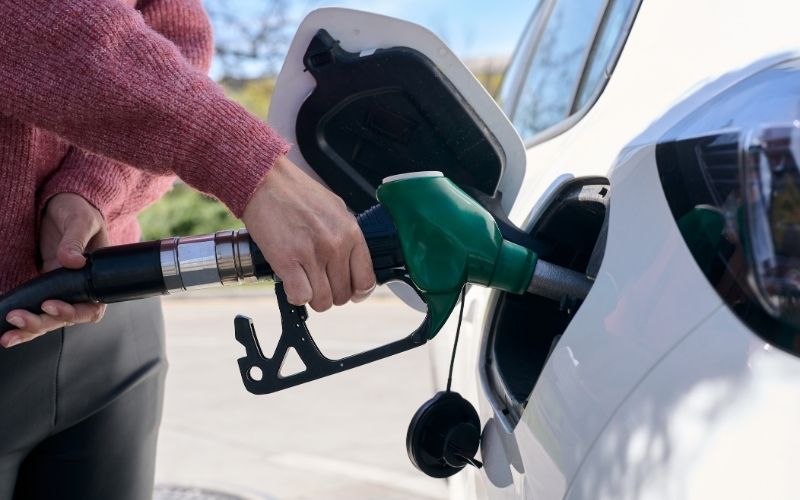
Energy and fuel price volatility
One of the biggest drivers of cost increases is energy. When geopolitical tension affects oil and gas supply, the impact is felt across multiple industries. Higher fuel costs increase:- freight and logistics expenses
- manufacturing overheads
- supplier operating costs
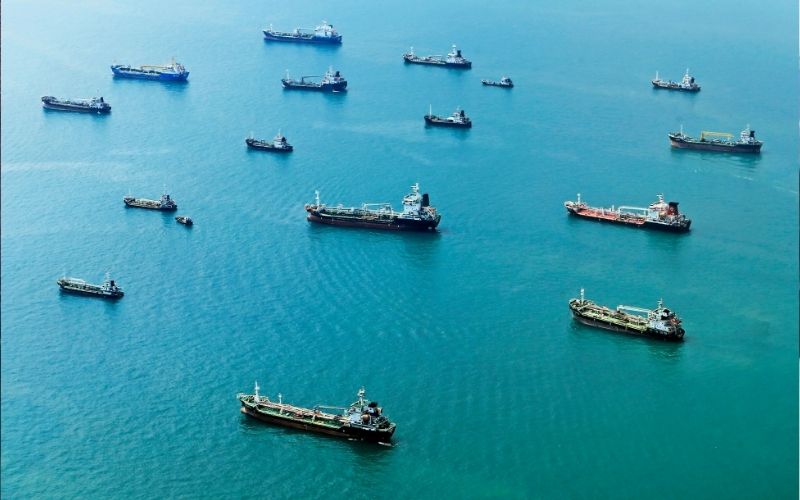
Shipping and logistics disruption
Global conflict has made shipping more complex and more expensive. As explored in our article on shipping disruption, changes to key trade routes can increase transit times and drive up freight costs. Additional pressures include:- higher insurance premiums
- longer shipping routes
- port congestion and delays

Supplier cost pass-through
Suppliers are facing the same pressures as buyers. Rising energy costs, labour shortages, transport disruption and material price increases all affect their cost base.
As a result, procurement teams may see:
- formal price increase requests
- surcharges or temporary cost adjustments
- reduced willingness to negotiate
Understanding the supplier perspective is essential when managing these conversations.

Wider economic and inflationary pressure
Global instability often leads to broader economic impact, including inflation. When multiple cost drivers increase at once, organisations face sustained pressure rather than short-term disruption.
This makes cost management more complex, as procurement teams must balance short-term responses with longer-term strategy.
The impact on procurement teams
Rising costs affect procurement in several ways.
Budget pressure
Procurement teams are expected to deliver value while working within fixed or tightening budgets. When costs rise across multiple categories, maintaining financial control becomes more challenging.
Increased negotiation complexity
Negotiations become more difficult when suppliers are also under pressure. Procurement professionals must balance cost control with maintaining strong supplier relationships.
This is where skills such as negotiation, communication and commercial awareness become critical. SRSCC’s Effective Negotiation Skills page is a useful resource for developing this capability.
Greater focus on total cost, not just price
In a volatile market, the lowest price is not always the best option. Procurement teams need to consider total cost of ownership, including:
- reliability of supply
- quality
- risk exposure
- long-term value
This shift reinforces procurement’s strategic role within the organisation.
Increased demand for data and insight
Decision-making becomes more complex during periods of rising costs. Procurement teams need accurate data to:
- track spend
- forecast future costs
- identify savings opportunities
This aligns with broader industry trends highlighted in Data Analytics Unleashed: Revolutionizing Procurement.
How procurement teams can stay in control
1. Strengthen cost visibility
The first step in managing rising costs is understanding where money is being spent and where increases are coming from. Procurement teams should:- analyse spend across categories
- identify high-risk or high-cost areas
- monitor supplier pricing trends
2. Focus on strategic supplier management
Strong supplier relationships are essential during periods of cost pressure. Rather than purely transactional interactions, procurement teams should take a collaborative approach.
This includes:
- discussing cost drivers openly
- exploring cost-saving opportunities together
- identifying efficiencies in the supply chain
For more on this, see What Is the Supplier Relationship Management Process? and the Contract and Supplier Relationship Management course.
3. Improve negotiation strategies
Effective negotiation is about more than pushing back on price increases. Procurement professionals should focus on:
- value-based negotiation
- long-term agreements
- flexibility in terms and conditions
In some cases, this may mean agreeing to short-term increases in exchange for longer-term stability.
4. Review contracts and commercial terms
Contracts can provide important protection during periods of rising costs. Procurement teams should review agreements to understand:
- pricing mechanisms
- escalation clauses
- service level agreements
Where necessary, renegotiation may be required to reflect changing market conditions.
For further support, SRSCC’s Legal Aspects of Procurement page is highly relevant.
5. Explore cost reduction opportunities
While some cost increases are unavoidable, procurement teams can still identify savings through:
- process improvements
- demand management
- specification changes
- supplier consolidation or diversification
This requires a proactive approach rather than a reactive one.
6. Manage risk alongside cost
Cost and risk are closely linked. A cheaper supplier may carry higher risk, especially during periods of disruption.
Procurement teams should consider:
- supply chain resilience
- supplier reliability
- geographic risk exposure
SRSCC’s Managing Risk in the Supply Chain provides useful insight into this area.
7. Invest in procurement capability
Ultimately, managing rising costs requires skilled professionals. Procurement teams that understand market dynamics, supplier behaviour and strategic sourcing are better equipped to respond effectively.
Developing these skills can provide a long-term advantage. Relevant learning options include:
You may also find our article on Navigating Supply Chain Instability: Why CIPS Qualifications Are More Vital Than Ever useful for further context.
The bigger picture: procurement as a value driver
Rising costs highlight the evolving role of procurement. It is no longer just about purchasing goods and services at the lowest price. It is about delivering value, managing risk and supporting organisational strategy.
Procurement professionals who can:
- understand market trends
- analyse cost drivers
- negotiate effectively
- build strong supplier relationships
will be better positioned to support their organisations during periods of uncertainty.

Conclusion
Rising costs in 2026 are being driven by a complex mix of global factors, including geopolitical conflict, supply chain disruption and economic pressure. While procurement teams cannot control these external forces, they can control how they respond.
By improving visibility, strengthening supplier relationships, refining negotiation strategies and investing in skills, procurement professionals can stay in control and continue to deliver value.
In a challenging environment, procurement has a critical role to play, not just in managing cost, but in helping organisations remain resilient and competitive.