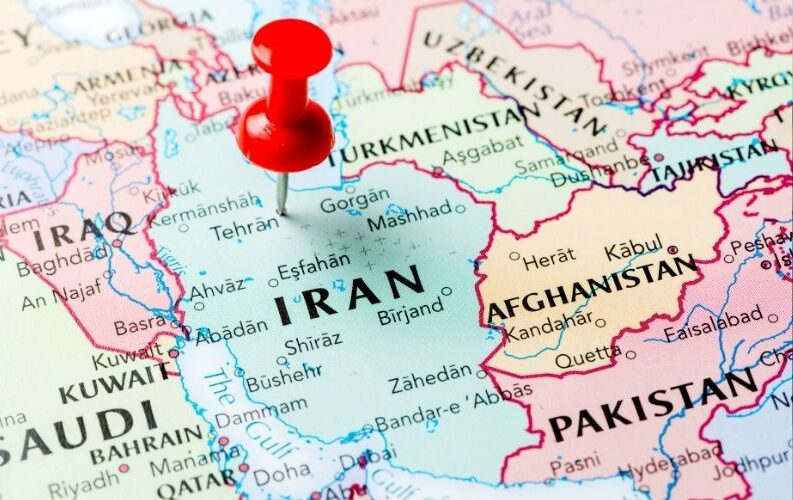
Procurement professionals are used to dealing with uncertainty, but major geopolitical events can raise the stakes very quickly. The current conflict involving Iran is a clear example. What may seem like a distant international issue can quickly affect shipping routes, supplier reliability, energy prices and commercial decision-making for organisations across the UK and beyond.
That matters because procurement does not operate in isolation. When conflict disrupts trade flows or creates price volatility, procurement teams are often the first to feel the operational and financial impact. From rising transport costs to delayed deliveries and contract pressure, the consequences can move through supply chains at speed.
For professionals working in procurement and supply, this is exactly why strategic awareness matters. Understanding global events and their commercial impact is now a core part of the role, not an optional extra.
Why this conflict matters to supply chains
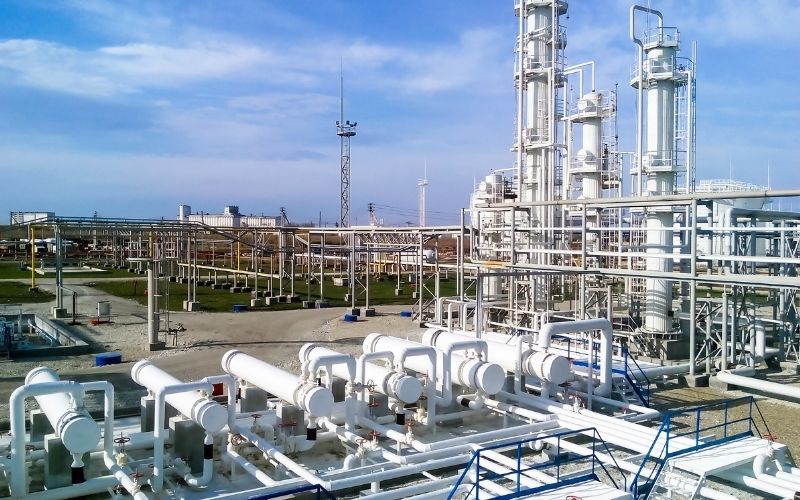
The Middle East remains one of the world’s most important regions for energy production and global shipping. In particular, the Strait of Hormuz is one of the most significant trade chokepoints in the world. The U.S. Energy Information Administration has said that roughly a fifth of global petroleum liquids consumption moves through the Strait, which is why disruption there quickly feeds into oil prices, shipping costs and wider economic pressure.
Recent reporting shows the situation has already escalated well beyond a theoretical risk. Reuters reported on 7 April 2026 that Iran had attacked Saudi Arabia’s Jubail petrochemical complex, while separate Reuters reporting the same day said physical oil prices had surged sharply as the Hormuz crisis worsened.
For procurement teams, that means the conflict is not just a headline. It is a live commercial issue with direct implications for continuity, pricing and sourcing strategy.
The immediate risks for procurement professionals
Rising input and logistics costs
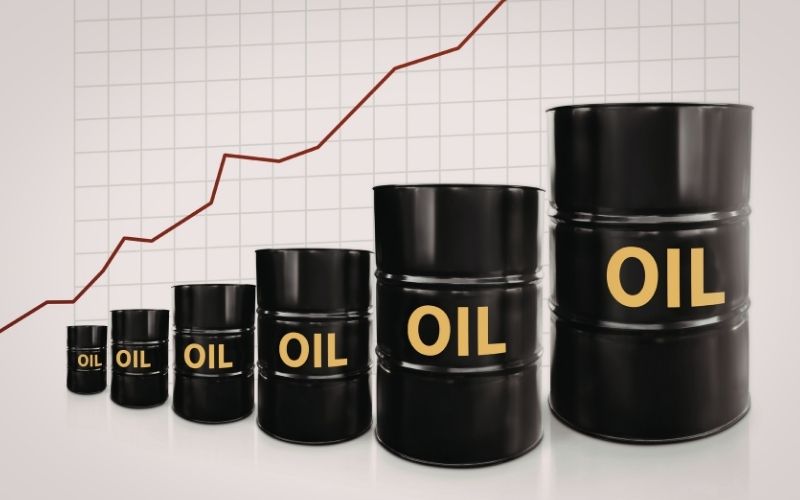
One of the fastest ways geopolitical disruption affects procurement is through cost. When conflict affects oil and gas supply, transport and manufacturing costs often rise soon afterwards. Reuters reported that physical oil prices had risen to near $150 a barrel on 7 April 2026 amid the worsening Hormuz crisis, with diesel and jet fuel also climbing sharply.
Even businesses that do not buy fuel directly can feel the effect. Higher energy prices can increase supplier overheads, warehousing costs, packaging costs and freight charges. In practice, this often leads to price reviews, surcharges or requests to renegotiate existing agreements.
For procurement professionals, this means cost control becomes much harder. It is no longer only about negotiating a competitive headline price. It is about understanding the wider cost drivers that are affecting the whole supply chain.
Greater supplier risk
Conflict can also expose how dependent many supply chains are on regions, routes and inputs that are easy to overlook in day-to-day operations. A supplier may not be based in Iran or the wider Gulf, but it may still rely on raw materials, subcomponents, freight routes or energy inputs linked to the region.
This is where supplier visibility becomes critical. Procurement teams need to think beyond tier one suppliers and ask where the real risks sit. If a key supplier is dependent on a vulnerable shipping lane or is heavily exposed to volatile energy costs, that risk can quickly become your problem too.
This is also why supplier relationship management becomes more important during periods of instability. SRSCC already covers this area in more detail in What Is the Supplier Relationship Management Process? and through its Contract and Supplier Relationship Management course page.
Shipping disruption and longer lead times
When conflict affects major trade routes, shipping becomes slower, more expensive and less predictable. Reuters has reported that insurers are responding to the Iran war by raising maritime war-risk premiums dramatically, in some cases by up to 1,000%, which has immediate consequences for freight costs and route planning.
That creates a chain reaction for procurement teams. Lead times become less reliable. Delivery windows widen. Inventory planning becomes more difficult. In some sectors, even a short delay can affect production, customer service or contractual performance.
For learners or employers looking to build stronger knowledge in this area, SRSCC’s Managing Risk in the Supply Chain and Inventory Management & Forecasting pages are both highly relevant.
Contract pressure and commercial tension
Another common consequence of supply chain disruption is pressure on contracts. Suppliers may seek revised pricing, adjusted service levels or more flexible delivery arrangements. In more severe cases, organisations may see disputes around force majeure, non-performance or liability.
This is where procurement professionals need to combine commercial judgement with contract awareness. It is not enough to react once a supplier raises an issue. Teams should be reviewing key agreements early, identifying exposure and preparing a practical response.
That is especially important when volatility affects multiple suppliers at once. Organisations that wait too long can find themselves making rushed decisions from a weak negotiating position.
What procurement professionals should do right now
1. Reassess supply chain exposure
The first step is to understand where your organisation is exposed. That means looking at suppliers, routes, categories and contracts, then asking practical questions.
Which categories are most vulnerable to rising fuel or freight costs?
Which suppliers depend on routes through the Gulf or neighbouring regions?
Which products would cause the greatest disruption if lead times increased suddenly?
Where are the single-source dependencies?
This kind of review does not need to be overly complex to be useful. What matters is that procurement teams move from assumption to evidence.
For a broader grounding, SRSCC’s What Are Global Supply Chains? is a helpful supporting resource.
2. Speak to key suppliers early
During periods of disruption, communication matters. Procurement teams should not wait until a missed delivery or emergency price increase lands in an inbox. A better approach is to contact critical suppliers early and ask direct questions about risk exposure, capacity, logistics and contingency planning.
This does two things. First, it gives your organisation better visibility. Second, it strengthens supplier relationships at a time when collaboration is often more valuable than confrontation.
That does not mean accepting every supplier claim at face value. It means gathering the information you need so you can make sound decisions and challenge where necessary.
3. Review contracts and pricing mechanisms
Where costs are moving rapidly, contracts need close attention. Procurement professionals should check whether agreements include price adjustment clauses, index-linked provisions, service level protections or force majeure terms.
A contract may not remove the disruption, but it can shape how much control your organisation retains. Early review also allows teams to identify which suppliers are likely to request changes and prepare a response before negotiations begin.
This is where legal and commercial knowledge come together, which is also reflected in SRSCC’s Legal Aspects of Procurement offering.
4. Consider alternative sourcing options
In some cases, supply chain disruption highlights the need for alternative suppliers or more diversified sourcing strategies. Dual sourcing, nearshoring, regional supplier development and stronger stock planning may all become more attractive when international routes are under pressure.
Not every organisation can change suppliers quickly, and not every category allows easy substitution. Even so, procurement teams should use periods like this to test how resilient current sourcing arrangements really are.
If one conflict or one chokepoint can create immediate business pressure, that may indicate a wider structural weakness in the supply chain design.
5. Strengthen internal collaboration
Procurement cannot manage disruption alone. Finance, operations, logistics and senior leadership all need a clear view of the risk and the possible commercial responses.
That might include revised forecasts, additional inventory, temporary sourcing changes or changes to customer commitments. Procurement plays a central role in those conversations because it sits close to suppliers, contracts and cost signals.
This is one reason procurement has become increasingly strategic. In a volatile global environment, procurement is not simply buying goods and services. It is helping organisations protect continuity, manage risk and make better decisions under pressure.
Why this matters for careers in procurement and supply

For anyone developing a career in procurement, this kind of situation is a reminder of how much the profession has evolved. Modern procurement roles demand commercial awareness, risk thinking, data interpretation, supplier engagement and strong communication.
That is why training and development matter. Professionals who understand both the technical side of procurement and the wider business context are in a stronger position to add value when disruption happens.
Relevant learning routes on the SRSCC site include the CIPS Level 3 Advanced Certificate, CIPS Level 4 Diploma and CIPS Level 5 Advanced Diploma, alongside the wider Courses section.
There is also a strong supporting article already on the site in Navigating Supply Chain Instability: Why CIPS Qualifications Are More Vital Than Ever, which makes a natural internal link from this piece.
Final Thoughts
The Iran conflict is a reminder that procurement professionals operate in a world where global events can have immediate local consequences. A disruption thousands of miles away can quickly affect shipping, pricing, supply continuity and commercial performance in the UK.
While procurement teams cannot control geopolitical events, they can control how prepared they are to respond. Stronger supplier visibility, better contract awareness, clearer internal communication and more resilient sourcing strategies all make a difference.
For procurement professionals, that is the real takeaway. In uncertain times, the organisations that respond best are often the ones with procurement teams that are informed, proactive and commercially confident.