
Starting a career in procurement can open the door to a wide range of opportunities, from junior roles through to management and senior leadership positions. However, getting your first entry-level procurement role can feel challenging if you do not yet have direct experience. The key is to build foundational knowledge, develop the right skills, and demonstrate that you understand how procurement works.
Build Foundational Knowledge
One of the best ways to prepare for a procurement role is to gain some basic knowledge of procurement processes and supply chain management. This can be done through professional certifications, internships, online courses, or junior roles such as Procurement Assistant or Procurement Analyst.
Professional certifications, such as those offered by organisations like CIPS or APICS, can help you understand procurement principles and demonstrate your commitment to the industry. Even entry-level or introductory courses can make your CV stand out when applying for roles.
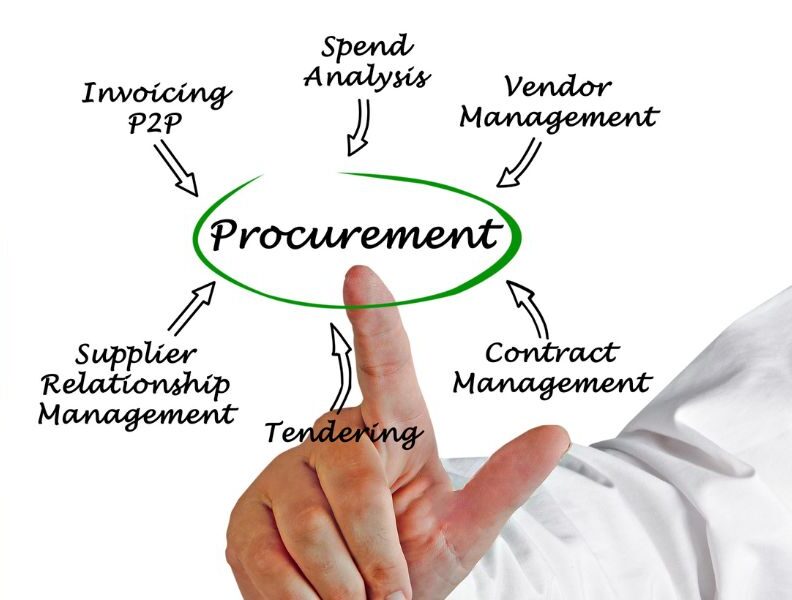
It is also important to understand basic procurement processes, including:
- Purchase orders
- Supplier evaluation
- Request for Quotation (RFQ)
- Request for Proposal (RFP)
- Contract management basics
Having an understanding of these processes will help you feel more confident in interviews and show employers that you have taken the initiative to learn about the industry.
Target Entry-Level Procurement Job Titles
When applying for your first role, it is important to search for the right job titles. Entry-level procurement roles may not always be advertised as “Procurement Assistant”, so it is useful to search for a range of similar roles.
Common entry-level procurement job titles include:
- Procurement Assistant
- Junior Buyer
- Procurement Administrator
- Sourcing Coordinator
- Procurement Analyst
These roles typically involve supporting senior buyers, managing purchase orders, communicating with suppliers, and maintaining procurement data.
Use Transferable Skills
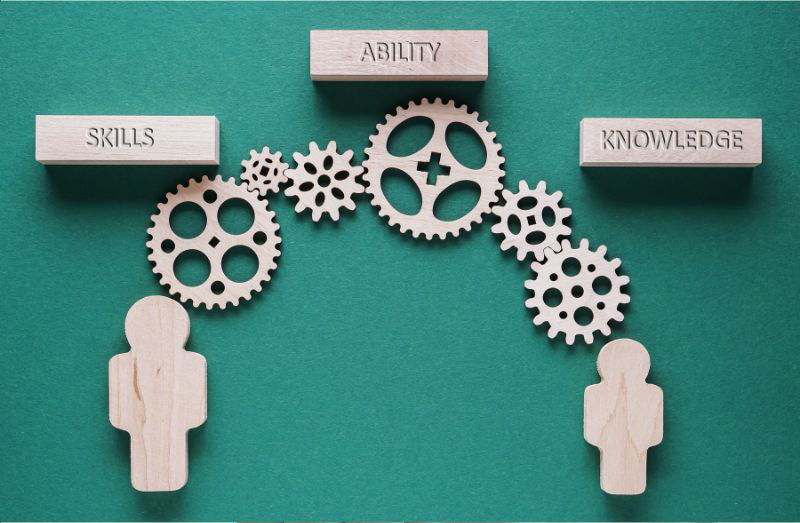
If you do not have direct procurement experience, you may still have relevant transferable skills from other roles or industries. Many people move into procurement from roles in administration, finance, customer service, HR, or project coordination.
Transferable skills that are valuable in procurement include:
- Negotiation skills
- Data analysis and Excel skills
- Communication and relationship management
- Organisation and time management
- Attention to detail
- Problem solving
When applying for roles, make sure your CV highlights these skills and explains how they relate to procurement tasks such as supplier communication, analysing costs, or managing orders.
Use Free Learning Resources
There are many free or low-cost resources available that can help you learn procurement basics and improve your technical skills. Online learning platforms such as LinkedIn Learning or Coursera offer courses in procurement, supply chain management, Excel, and data analysis.
It can also be useful to watch tutorials on procurement systems such as SAP, Oracle, or other ERP systems. Even basic knowledge of these systems can make you more attractive to employers and show that you are willing to learn new tools.
Understand the Key Responsibilities of Procurement Roles
Before attending interviews, it is important to understand what procurement professionals actually do on a day-to-day basis. Entry-level procurement roles often involve:
- Managing supplier relationships
- Raising and processing purchase orders
- Analysing spending data and identifying cost-saving opportunities
- Supporting tender processes and supplier selection
- Ensuring compliance with company procedures and internal controls
If you can demonstrate an understanding of these responsibilities during an interview, it will show employers that you are serious about starting a career in procurement.
Essential Skills for Entry-Level Candidates
There are several key skills that employers look for when hiring entry-level procurement staff.
Analytical ability
Procurement involves analysing data, identifying trends, and finding opportunities to reduce costs.
Communication skills
You will need to communicate with suppliers and internal departments regularly, so strong communication skills are essential.
Organisation
Procurement roles often involve managing large amounts of documentation, orders, and deadlines, so being organised is very important.
Software proficiency
Being confident using Excel and having some knowledge of ERP systems or procurement software is a big advantage.
Career Progression in Procurement
One of the benefits of starting a career in procurement is the clear progression pathway. Starting in a junior role can lead to more senior positions over time.
Typical career progression might include:
- Procurement Assistant
- Junior Buyer
- Buyer / Procurement Analyst
- Sourcing Manager
- Procurement Manager
- Head of Procurement or Director
With experience, professional qualifications, and strong performance, procurement can become a long-term career with many opportunities for progression and specialisation.
Final Thoughts
Securing your first entry-level procurement role is about building knowledge, developing relevant skills, and showing employers that you understand the procurement function. By gaining certifications, learning procurement processes, highlighting transferable skills, and applying for the right entry-level roles, you can successfully start your career in procurement and begin working towards more senior roles in the future.