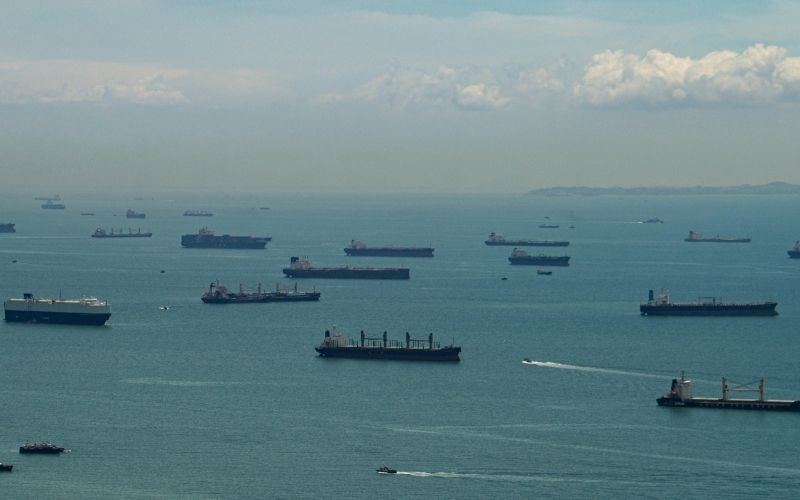
When global conflict escalates, one of the first areas to come under pressure is shipping. Goods still need to move, but conflict can make transport routes less safe, more expensive and far less predictable. For procurement and supply chain professionals, that quickly turns into a commercial problem.
The current situation involving Iran is a clear example. Tension in the Middle East has increased pressure on one of the world’s most important maritime chokepoints: the Strait of Hormuz. This route is critical for energy flows and international trade, so when disruption happens there, the effects reach well beyond the region. Reuters reported this week that maritime war-risk insurance premiums have surged sharply amid the crisis, while the International Monetary Fund has warned the conflict is likely to push inflation higher and slow global growth.
For businesses in the UK, this means shipping disruption is not just an overseas issue. It can affect supplier reliability, inventory planning, operating costs and customer delivery expectations. Understanding how that happens is essential for anyone working in procurement and supply.
Why shipping is so vulnerable during conflict
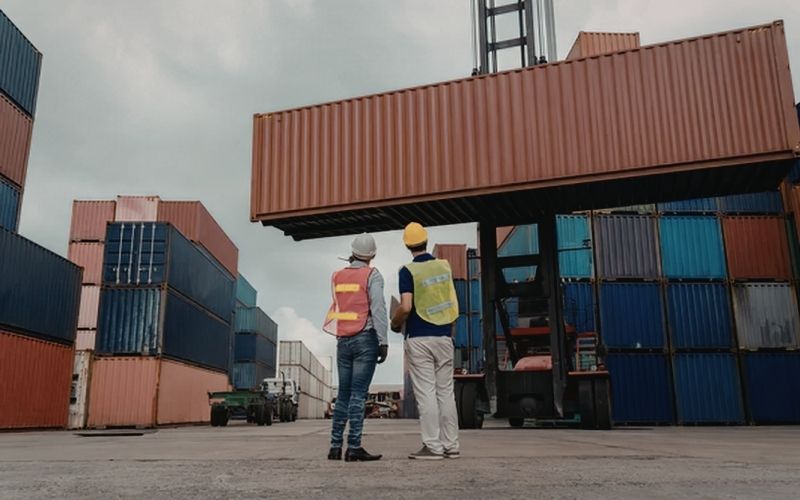
Global supply chains depend on stability. Shipping routes are designed around predictable transit lanes, insurance cover, fuel availability and functioning ports. Conflict can destabilise all four.
In the case of the current Iran crisis, Reuters has reported that Iran’s pressure on the Strait of Hormuz has disrupted a route that normally carries around a fifth of the world’s oil and gas flows, while insurers have raised war-risk premiums dramatically for ships moving through the region.
That matters because shipping is not simply about moving containers from one port to another. It relies on an entire ecosystem working smoothly. If ships have to divert, fuel costs can rise. If insurers increase premiums, freight rates can rise. If ports face delays or vessels are stranded, lead times become less reliable. The result is that one geopolitical flashpoint can create knock-on disruption across multiple industries and countries. Reuters has also reported that some vessels have resumed limited crossings, but the overall security and pricing environment remains highly unstable.
How global conflict causes shipping disruptions
Conflict can close or restrict major trade routes
Some shipping routes matter more than others. The Strait of Hormuz is one of the clearest examples because it is such a significant channel for oil, gas and related trade. When access is restricted or uncertainty increases, traffic slows and the cost of passage rises.
Reuters reported on 6 and 7 April 2026 that Iran’s actions in the Strait had contributed to severe energy disruption, while the UN Security Council was considering measures aimed at protecting commercial shipping through the area.
For supply chains, the impact is immediate. Carriers may reroute vessels, pause bookings or change schedules at short notice. Those decisions can add days or weeks to transit times depending on the goods and destination.
Insurance costs increase quickly
One of the less visible but very important consequences of conflict is insurance. If a route is considered high risk, shipowners and charterers may face steep increases in war-risk premiums.
Reuters reported on 7 April 2026 that maritime war-risk insurance premiums had risen by as much as 1,000% because of the Iran war, affecting routes across the Persian Gulf, Red Sea, Gulf of Aden and Arabian Sea.
Those costs do not stay with insurers or ship operators for long. They are often passed through the supply chain in the form of higher freight charges, emergency surcharges or wider price increases from suppliers.
Fuel prices and operating costs rise
Conflict in a major energy-producing region affects more than shipping security. It also drives up fuel costs, which has a direct effect on shipping economics.
Reuters reported on 7 April 2026 that physical oil prices had surged to near $150 a barrel as the Hormuz crisis worsened, with diesel and jet fuel prices also climbing sharply. Reuters also reported that the International Energy Agency expects Middle East supply disruptions to hit Europe increasingly during April.
For procurement teams, this often means suppliers face higher transport and production costs at the same time. Even if your organisation does not import directly from the Gulf, the market-wide effect can still influence supplier prices, contract discussions and landed cost.
Delays spread through the wider supply chain
Shipping disruption rarely stays contained to one route. Once schedules are interrupted, the effects spread. Containers arrive late, ports become congested, production plans are adjusted and inventory buffers come under pressure.
Reuters reported on 1 April 2026 that the UK had experienced its longest supplier delivery delays since 2022 as the Iran war pushed up input costs and snarled supply chains.
This is why procurement professionals need to think in terms of system impact rather than isolated events. A delay at sea can become a warehouse problem, then a stock availability problem, then a customer service issue.
What shipping disruption looks like in practice
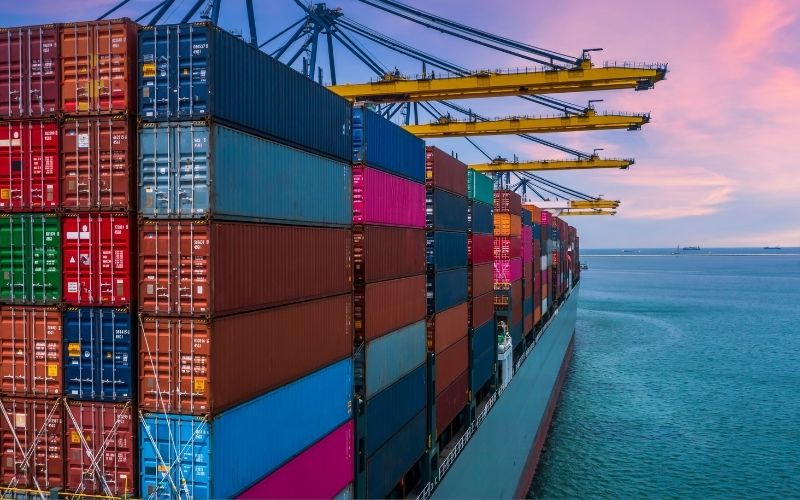
- longer lead times from existing suppliers
- revised delivery schedules or missed delivery windows
- temporary freight surcharges
- requests for price increases
- reduced stock availability
- greater pressure to identify alternative suppliers
In sectors that rely on imported raw materials, components or fuel-intensive logistics, these issues can build quickly. Reuters reported this week that airlines in Asia have already trimmed schedules and carried extra fuel because of supply disruption linked to the conflict, showing how quickly transport-dependent sectors have to adapt when a vital route is affected.
That same pattern can affect manufacturing, retail, engineering, food supply and other sectors served by procurement teams in the UK.
Why this matters to procurement professionals
Procurement sits at the point where external disruption becomes internal business risk. When shipping becomes unstable, procurement teams often have to answer difficult questions quickly.
Can existing suppliers still deliver on time?
Which categories are most exposed to delays?
How much additional cost is likely to come through?
What stock or sourcing changes are needed?
Which contracts offer protection, and which do not?
This is exactly why procurement is now viewed as a strategic function rather than a purely transactional one. Professionals in the field are expected to assess risk, maintain supplier relationships and support business continuity when conditions change rapidly.
SRSCC already has useful supporting resources in this area, including What Are Global Supply Chains?, Why Is Supply Chain Management So Important? and Managing Risk in the Supply Chain.
What procurement teams can do to reduce the impact
Improve supply chain visibility
Start by identifying which suppliers, product categories and routes are most exposed. The more clearly you understand where your goods are coming from and how they move, the easier it is to spot risk early.
This should include looking beyond direct suppliers where possible. A supplier based in the UK may still depend on components or materials moving through disrupted routes.
Strengthen supplier communication
Periods of disruption require more frequent and more direct conversations with suppliers. Procurement teams need timely information about shipping delays, inventory availability, alternative routes and possible cost changes.
Strong supplier relationships can make it easier to get early warning of issues and work collaboratively on solutions. This fits well with the themes covered in What Is the Supplier Relationship Management Process? and the Contract and Supplier Relationship Management course.
Revisit inventory and forecasting assumptions
When lead times become less reliable, stock planning needs to adapt. Some businesses may need additional safety stock in critical categories, while others may need to revisit reorder points or demand assumptions.
SRSCC’s Inventory Management & Forecasting page is a useful internal link here because it directly supports the practical skills needed in periods of volatility.
Review contracts and commercial exposure
Shipping disruption often leads to pressure around price, timing and service levels. Procurement professionals should review key contracts to understand what protection is in place and where flexibility may be needed.
This may involve checking clauses around delivery, price adjustments, liabilities and force majeure. SRSCC’s Legal Aspects of Procurement offering is highly relevant for readers who want to build confidence in this area.
Build resilience into future sourcing
Not every organisation can switch suppliers or routes immediately, but disruption should still be used as a learning point. If one global event can quickly put a category under pressure, that may suggest a need for greater diversification or resilience in future sourcing strategies.
This is one of the reasons procurement development matters. The more commercially aware and strategically capable a team is, the better it can respond to external shocks.
For readers wanting to develop those skills, relevant SRSCC options include the CIPS Level 3 Advanced Certificate, CIPS Level 4 Diploma and CIPS Level 5 Advanced Diploma.
Final Thoughts
Shipping disruption is one of the clearest ways global conflict affects supply chains. When key maritime routes become unstable, the consequences spread quickly through transport, insurance, fuel pricing, lead times and supplier performance.
The current conflict involving Iran shows how closely linked procurement is to world events. Reuters has reported soaring insurance premiums, disrupted energy flows, rising physical oil prices and worsening delivery delays, all of which help explain why procurement teams are under pressure right now.
For procurement professionals, the takeaway is clear: shipping risk is supply chain risk. The organisations that manage it best are usually the ones that understand their exposure, communicate early, plan ahead and invest in the skills needed to respond with confidence.