
Every year on 22nd April, Earth Day encourages individuals and organisations to think about the impact they have on the world around them.
For procurement professionals, this is particularly relevant. The choices made every day, often as part of routine business operations, can have a significant impact on sustainability, whether that’s through supplier selection, sourcing decisions, or how goods are packaged and delivered.
Why Procurement Plays Such a Key Role
Procurement sits at the heart of the supply chain. It influences where products come from, how they are made, and how they reach the end user.
Because of this, procurement teams are in a strong position to drive positive change. Even small adjustments in decision-making can contribute to reducing environmental impact over time.
Where Procurement Can Make the Biggest Impact

Choosing Between Local and International Suppliers
One of the most common decisions in procurement is whether to source locally or internationally.
Local suppliers can help reduce transportation emissions and support regional economies, while international sourcing may offer cost advantages or greater availability. The key is finding the right balance between commercial needs and environmental considerations.
Reducing Packaging and Waste
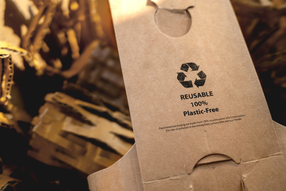
Packaging is an area where procurement can make an immediate and visible difference.
Working with suppliers to minimise packaging, use recyclable materials, or remove unnecessary layers can significantly reduce waste. These changes may seem small individually, but across a full supply chain, they can have a meaningful cumulative effect.

Working with Responsible Suppliers
Sustainability is no longer just an internal focus; it extends across the entire supply chain.
More organisations are now looking at Environmental, Social and Governance (ESG) factors when selecting suppliers. This means considering not only cost and quality, but also how suppliers operate, their environmental policies, and their approach to ethical practices.
Supporting Ethical and Transparent Sourcing
Alongside environmental considerations, procurement also plays an important role in ensuring ethical sourcing.
This includes working with suppliers who uphold fair labour practices, operate transparently, and meet expected standards. Taking a responsible approach here helps build stronger, more sustainable supply chains overall.

Balancing Sustainability with Commercial Reality
Of course, procurement decisions don’t happen in isolation. Teams must balance sustainability with cost pressures, supplier availability, and operational requirements.
The good news is that sustainable choices don’t always mean higher costs. In many cases, they can lead to reduced waste, improved efficiency, and better long-term value.
Why Earth Day Is a Good Moment to Reflect
Earth Day is a useful reminder that sustainability doesn’t have to be driven by large, one-off initiatives.
Instead, it’s often the result of consistent, everyday decisions. For procurement teams, this could be as simple as reviewing suppliers, questioning existing processes, or identifying opportunities to reduce waste.
Final Thoughts
Procurement has a unique role to play in supporting more sustainable ways of working.
By making informed, balanced decisions, procurement professionals can influence not just their organisation, but the wider supply chain as well.
This Earth Day, it’s worth taking a moment to consider how those decisions, big or small, can contribute to a more sustainable future.