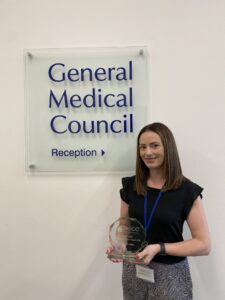
Originally published on 23 March 2017. BAKO North Western was the organisation’s name at the time of this case study.
Professional procurement qualifications can help experienced buyers formalise knowledge gained in the workplace, adopt recognised commercial frameworks and identify new opportunities to deliver value.
In this case study, a procurement professional from BAKO North Western explains how studying for a CIPS qualification helped them modernise purchasing practices, approach negotiations with greater confidence and develop more strategic supplier relationships.
How has the CIPS qualification helped in your current role?
The CIPS qualification has helped me develop a clearer understanding of the wider procurement environment across multiple markets.
It has enabled me to take a more structured approach to everyday procurement and apply different purchasing techniques according to the requirements, risks and commercial importance of each situation.
This structured way of thinking has improved the consistency of my decision-making and strengthened my ability to pursue the best possible outcome across a range of procurement scenarios.
How has the CIPS qualification enhanced your career?
CIPS has opened new opportunities for me by strengthening my existing skills and increasing my confidence when entering high-profile negotiations.
Before beginning the qualification, much of my procurement knowledge had been developed through workplace experience and self-directed learning. CIPS helped formalise that knowledge and introduced a more disciplined way of approaching the different elements of my role.
Breaking procurement activity into clearer stages and applying recognised tools made it easier to identify priorities, measure progress and modernise the purchasing function within BAKO.
The qualification has also enhanced my longer-term career prospects. Formal procurement qualifications are increasingly sought by employers and provide recognised evidence of professional knowledge alongside practical experience.
How has the training benefited your organisation?
Completing the CIPS qualification has delivered tangible benefits for BAKO.
Procurement and commercial practices continue to evolve. Suppliers are increasingly commercially aware, markets are more competitive and organisations need a structured approach if they are to secure favourable terms while generating sustainable value.
By applying the knowledge gained through my training, I have successfully negotiated a number of agreements that delivered measurable improvements for the organisation.
In my view, the return achieved through these negotiations has already repaid BAKO’s investment in my CIPS training many times over.
Can you describe a situation where your CIPS knowledge made an impact?
When I joined BAKO, its approach to purchasing was relatively outdated. As a result, opportunities to maximise the value available across a large supplier portfolio were sometimes missed.
Using the theory, models and supplier-management techniques introduced through CIPS, I began reviewing how suppliers were assessed and managed.
I identified the suppliers that were most important to the organisation and considered factors including:
- The value and importance of the goods or services supplied.
- The commercial and operational risks associated with the supplier.
- The potential for improved terms or greater efficiency.
- The level of collaboration required from each relationship.
- The opportunities available to create value for both parties.
This enabled us to focus more closely on important supplier relationships and manage our interactions in a more strategic way.
We renegotiated trading terms, strengthened communication and identified efficiencies that benefited both BAKO and its suppliers.
Rather than treating supplier negotiations as isolated transactions, we began creating relationships that could support continuing improvement and longer-term value.
How do you feel about your experience studying with SR Supply Chain Consultants?
SR Supply Chain Consultants offer far more than standard classroom training.
From the initial enquiry through to the final examinations, the support was consistent, personal and focused on helping each learner succeed.
The course delivery was adapted to meet the needs of both individuals and the wider group. This created an engaging learning environment that accommodated different levels of experience and different approaches to learning.
The support did not end when a classroom session finished. Tutors and members of the wider support team remained available throughout the programme and each played an important part in helping me complete my qualification successfully.
Would you recommend SR Supply Chain Consultants?
Yes, absolutely.
I was fortunate to see SR Supply Chain Consultants grow and develop during the years I studied with the organisation. It was clear that its team was committed not only to examination success, but also to providing a supportive and positive experience throughout the learner journey.
I am grateful to have completed my CIPS qualification with SRSCC and would strongly recommend the organisation to anyone considering professional procurement training.
Turning supplier relationships into commercial value
The experience described in this case study demonstrates why effective procurement involves more than negotiating a lower price.
A structured approach to supplier management can help an organisation identify which relationships require greater attention, improve supplier performance and uncover opportunities to create value beyond the original agreement.
Professionals looking to develop these skills can explore SRSCC’s Contract and Supplier Relationship Management course. The course covers supplier performance management, contract risk, KPIs, service levels and the development of productive strategic relationships.
The guide to the supplier relationship management process also explains how organisations can segment, assess and develop their suppliers more effectively.
Develop practical procurement skills
SRSCC provides professional development covering several of the skills highlighted in this case study, including:
- Effective Negotiation Skills.
- Category Management Essentials.
- Contract and Supplier Relationship Management.
- Managing Risk in the Supply Chain.
These focused programmes sit alongside SRSCC’s complete range of CIPS qualifications and procurement courses. The newer course and supporting-content pages are also included in the current website sitemap.
To discuss the most suitable training route for you, your procurement team or your organisation, please contact the SRSCC team.